


The project includes the design and partial or full realization of three large‑scale kinetic sculptures powered by magnetic energy. These works aim to introduce dynamic, energy‑based visual experiences into public environments.
These concepts highlight the inseparable relationship between human perception and natural forces.
This project comprises the conceptual design and potential full-scale realization of three monumental kinetic sculptures, each capable of exceeding ten meters in height, independently of any specific commission. The works are conceived as autonomous public art landmarks, integrating magnetic energy, mechanical motion, and environmental forces to create continuously evolving spatial experiences.
Rather than functioning as static objects, these sculptures operate as living systems, responding to wind, gravity, and magnetic interaction. Their scale allows them to shape not only architectural space, but also the psychological and emotional perception of their surroundings. The project is intended for public plazas, museum forecourts, urban landmarks, and large-scale interior atria, offering a fusion of sculpture, kinetic engineering, and contemplative experience.
Each work represents a distinct philosophical and spatial concept, while together they form a coherent artistic system centered on movement, resonance, and human perception.
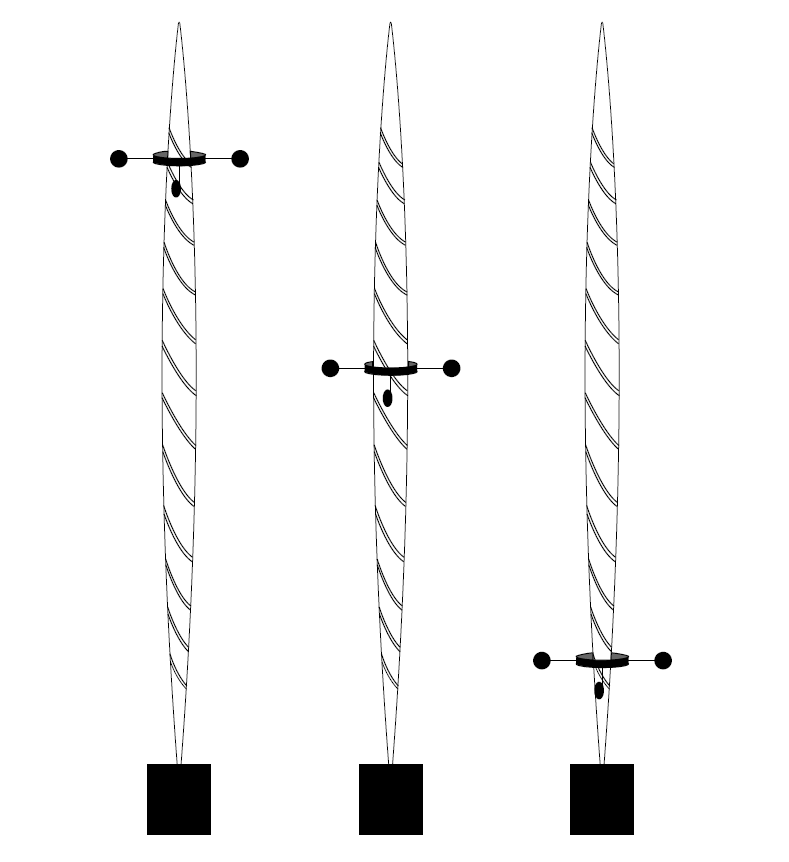
Connection
Levitating, multi-directional kinetic composition
Connection explores the invisible forces that bind individuals, communities, and systems. Built as a levitating magnetic structure, the sculpture consists of multiple elements rotating, drifting, and interacting in several spatial directions, suspended in dynamic equilibrium.
The composition can be realized at monumental dimensions exceeding ten meters, transforming public space into a field of constantly shifting relationships. Magnetic attraction and repulsion generate subtle tension, cooperation, and release — visual metaphors for human interaction, emotional resonance, and social dynamics.
Through its floating and rotating elements, Connection manifests the fragile balance between autonomy and interdependence. At large scale, the sculpture becomes an immersive experience, surrounding viewers with slow kinetic choreography and creating a spatial dialogue between movement, void, and presence.
Contact for more information!
“Where sculpture, architecture, and natural energy meet.”
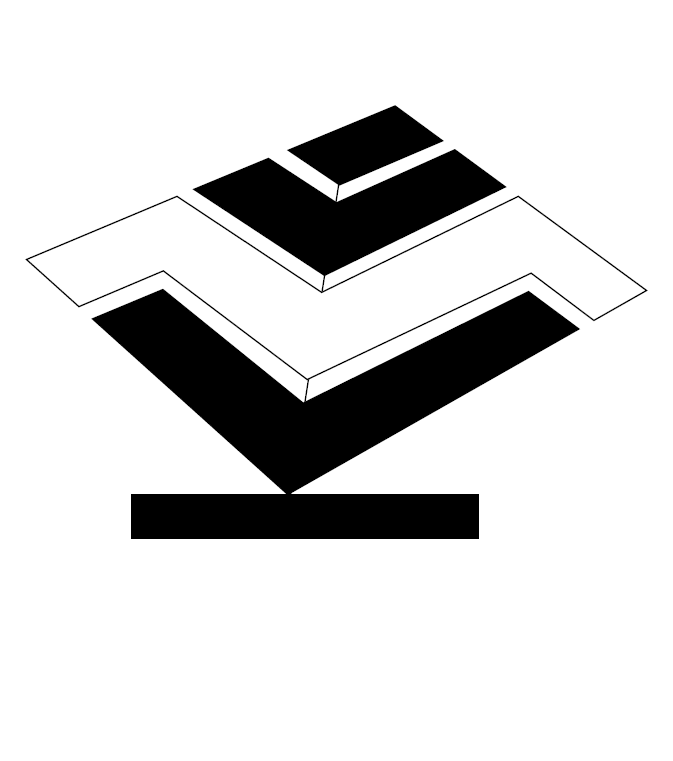
Soul Line
Vertical kinetic sculpture driven by wind and magnetic interaction
Soul Line is conceived as a towering vertical structure, capable of reaching and surpassing ten meters in height, where motion unfolds along a continuous upward and downward trajectory. Its kinetic system combines natural wind forces with precisely calibrated magnetic dynamics, generating a gentle yet powerful wave-like rhythm.
The sculpture evokes the inner oscillations of the human spirit: ascent and descent, tension and release, stillness and transformation. Its slow, breathing movement suggests introspection, transcendence, and spiritual ascent. As the structure responds to environmental conditions, each moment becomes unique, embedding the sculpture within the temporal flow of its surroundings.
At monumental scale, Soul Line becomes a vertical axis of contemplation, functioning simultaneously as a spatial landmark and a meditative presence within public space.
Contact for more information!
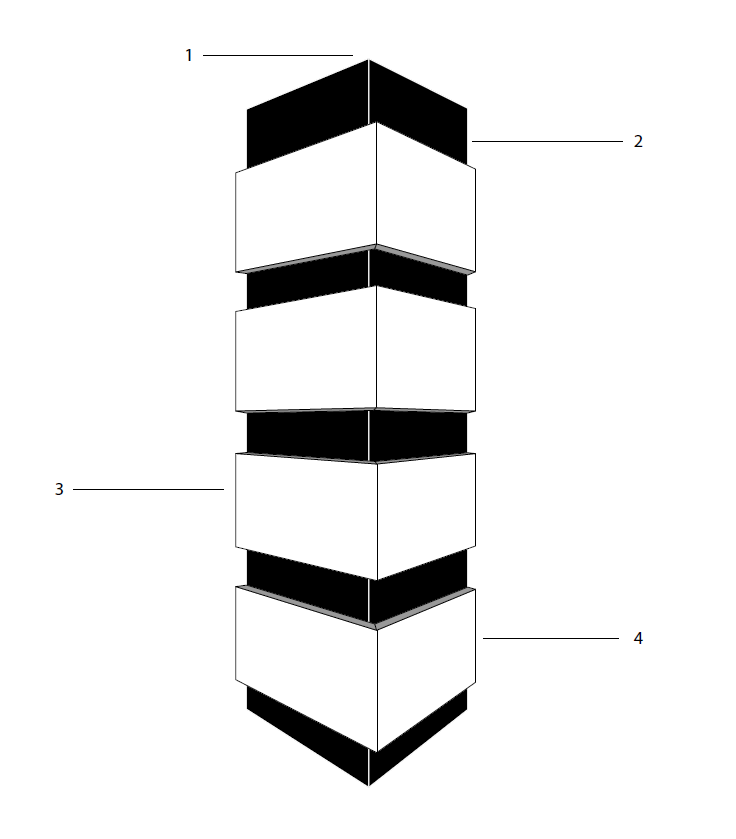
Levitation
Central-axis kinetic system of four interrelated forms
Levitation is a unified kinetic system composed of four interdependent forms rotating around a central vertical axis. The continuous transformation of their spatial relationships generates the sensation of floating, orbiting, and morphological metamorphosis.
Conceived for monumental realization beyond ten meters, the sculpture emphasizes vertical flow and rotational harmony. As the forms shift in relation to one another, the entire structure appears to hover, defying gravitational expectations and evoking a state of suspended motion.
The work reflects on transformation, impermanence, and the instability of form, suggesting that matter itself exists in constant flux. In public space, Levitation becomes an emblem of lightness and transcendence, creating a visual and emotional counterpoint to architectural mass and urban density
Contact for more information!
Conceptual Unity
Together, Soul Line, Connection, and Levitation form a cohesive sculptural trilogy that explores inner experience, interpersonal dynamics, and spatial transcendence. Their shared technological foundation — magnetic energy combined with mechanical precision — enables large-scale realization while preserving refined kinetic sensitivity.
At monumental scale, these works redefine kinetic sculpture as experiential architecture, capable of shaping not only physical environments but also contemplative and emotional states.
For Architects & Developers
Kinetic Art that Shapes Iconic Spaces
The kinetic sculptures of IZO Living Structures are spatial structures that transform architecture through light, movement, and natural forces. Rather than serving as decorative elements, these works function as signature features within a building or public environment, shaping the visual identity of a place while enhancing its cultural presence and long-term value. Through subtle, continuous motion they generate a living visual field that evolves over time, creating memorable spatial experiences for visitors and users.
Within architectural environments, kinetic structures introduce a powerful visual focus where light and motion interact to create a dynamic atmosphere. Because the works respond to natural influences such as wind, sunlight, temperature, or magnetic forces, the spatial perception of the environment changes continuously throughout the day and across seasons. In many cases the sculpture becomes a recognizable landmark within the architectural landscape — a visual point of orientation that visitors remember, photograph, and share. By introducing vertical structures, suspended elements, and carefully balanced motion, the sculptures also amplify spatial proportions, adding a new dimension to atriums, lobbies, plazas, and open urban environments.
From a technical perspective, the structures are designed to operate with minimal energy demand. Their movement is primarily generated by natural forces such as wind, light, magnetism, or thermal dynamics. Constructed from durable, weather-resistant materials suitable for both interior and exterior environments, the sculptures require minimal maintenance while maintaining long-term structural stability. Despite their monumental scale, they rely on lightweight yet robust engineering solutions, and their motion remains silent, making them suitable for refined architectural settings including hotels, cultural institutions, office environments, and public spaces.
Each project is developed as a site-specific work responding directly to the architectural context. The scale, materials, proportions, and movement characteristics of the structure are carefully adapted to the spatial conditions of the project. Collaboration may begin already during the architectural design phase, allowing the kinetic structure to become an integrated component of the spatial composition. Depending on the project, installations can be suspended, pedestal-mounted, or free-standing, while the entire process—from concept and design to fabrication and on-site installation—is realized through close cooperation with architects and development teams.
Beyond their artistic presence, kinetic sculptures can significantly enhance the identity and value of architectural developments. Iconic artworks often elevate the prestige and public perception of a project while enriching the visitor experience by attracting attention and encouraging interaction. In hospitality, commercial, and cultural environments they create a distinctive visual identity that strengthens the character of the place. Because these structures rely primarily on natural energies and durable materials, they also represent a sustainable and long-term investment.
Kinetic structures are particularly suited for hotel atriums and lobby spaces, shopping centers, office building entrances, museums and cultural institutions, as well as public squares, parks, waterfront promenades, and private architectural developments.
Every Living Structures project begins with a custom design process. A preliminary consultation allows the spatial conditions, architectural vision, and desired visual impact to be explored, forming the foundation for a site-specific kinetic structure integrated into the architectural environment.
“Monumental kinetic structures that bring movement and light into architecture.”